
Plutarch Books
Plutarch (c. 46–c. 119 AD) was a Greek biographer and philosopher, best known for his Parallel Lives, a series of biographies comparing famous Greek and Roman figures. His works offer valuable insights into the character and morals of historical leaders, blending history with moral lessons.
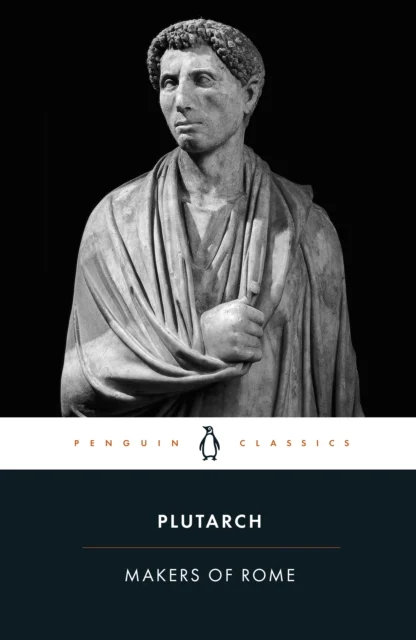
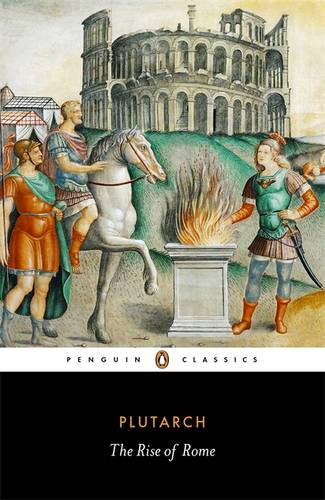

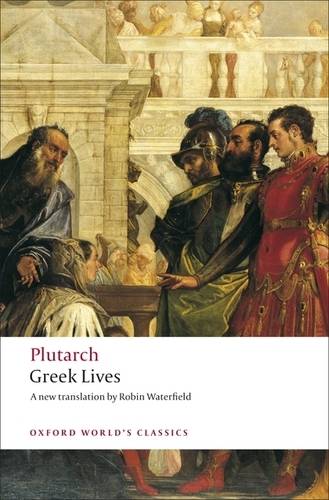
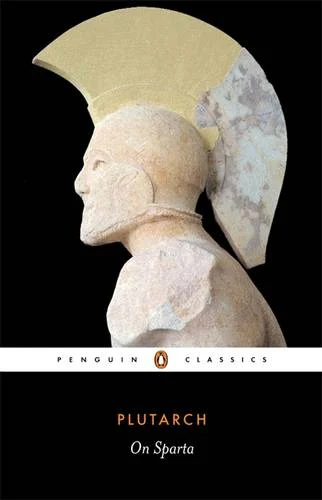
On Plutarch
Plutarch (c. 46–after 119 AD) was a prominent Greek biographer, essayist, and philosopher of the Roman imperial era, best known for his vivid portraits of historical figures. Born in Chaeronea in Boeotia, he came from a wealthy family and received a broad education in Athens, studying philosophy under the Platonist Ammonius. He held civic roles in his hometown, served as a priest at Delphi, and traveled widely, including to Rome, where he gained Roman citizenship (becoming Lucius Mestrius Plutarchus). A Middle Platonist, he blended philosophical inquiry with moral instruction, making Plutarch books essential for exploring Greco-Roman ethics and history.
His most famous work, the Parallel Lives, pairs biographies of notable Greeks and Romans (such as Alexander and Caesar, or Demosthenes and Cicero) to draw ethical comparisons and lessons in character. This series profoundly influenced Renaissance humanists, Shakespeare, and later writers. His extensive Moralia, a collection of essays and dialogues, covers topics from ethics and religion to superstition, education, and politics. Through his engaging, anecdotal style, Plutarch preserved invaluable insights into antiquity, shaping Western biography, moral philosophy, and historical understanding for centuries.
Explore books by Plutarch at Great Historical Books.
Click here to visit our Substack – Acta Diurna by GreatHistoricalBooks.com